- Home
- How it works
What happens on a new build leak survey
A leak survey starts with a phone call and usually takes the engineer a day or less on site. This is the whole sequence, what the engineer needs from you or the site team, and what you get at the end of it.
New build leak survey steps
Step 1: You call the office
Tell us the postcode, what you have noticed and how old the house is. Housebuilders, say which plot and what stage it is at. The office will ask about the supply, the heating and access, then give you availability and a quote.
Step 2: We sort out access
The engineer needs the meter, the stopcock, the boiler and cylinder, the underfloor heating manifold and the rooms affected. On a live site, tell the office about inductions, PPE and who holds the keys to the plot.
Step 3: The engineer arrives
They look at the meter, the stopcock, the boiler pressure and the manifold first, and ask what has changed since you moved in. Commercial jobs for housebuilders come with a risk assessment and method statement.
Step 4: The survey narrows it down
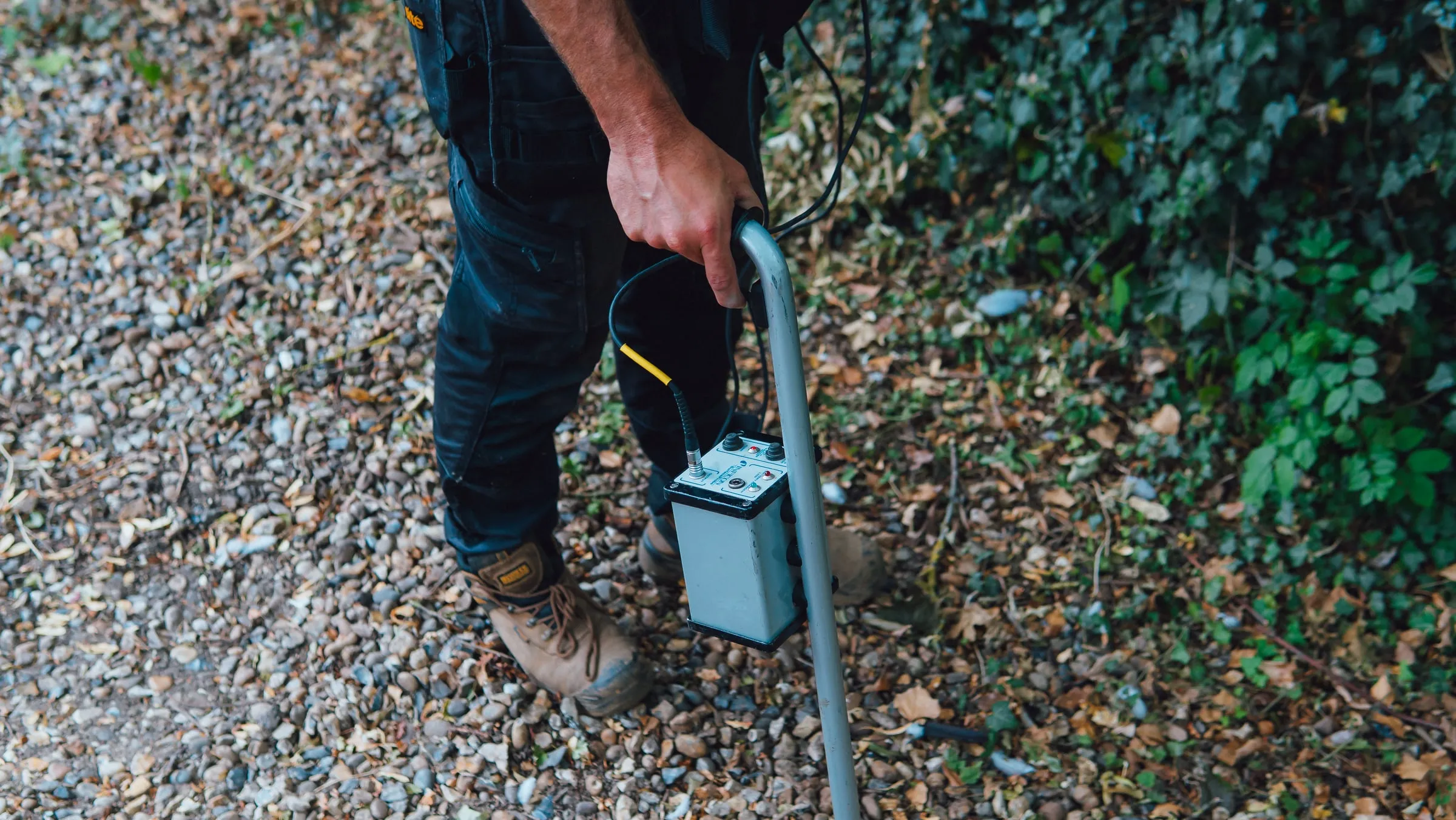
Pressure testing separates the circuits. Thermal imaging, moisture mapping, acoustics, tracer gas and cameras then close in on the leak. Some tests need the water or heating off for a short while.
Step 5: You get the findings in writing
A report with photographs, findings and recommendations that can go to the builder, the warranty provider or your insurer as it stands.
Step 6: Repair where it is quoted
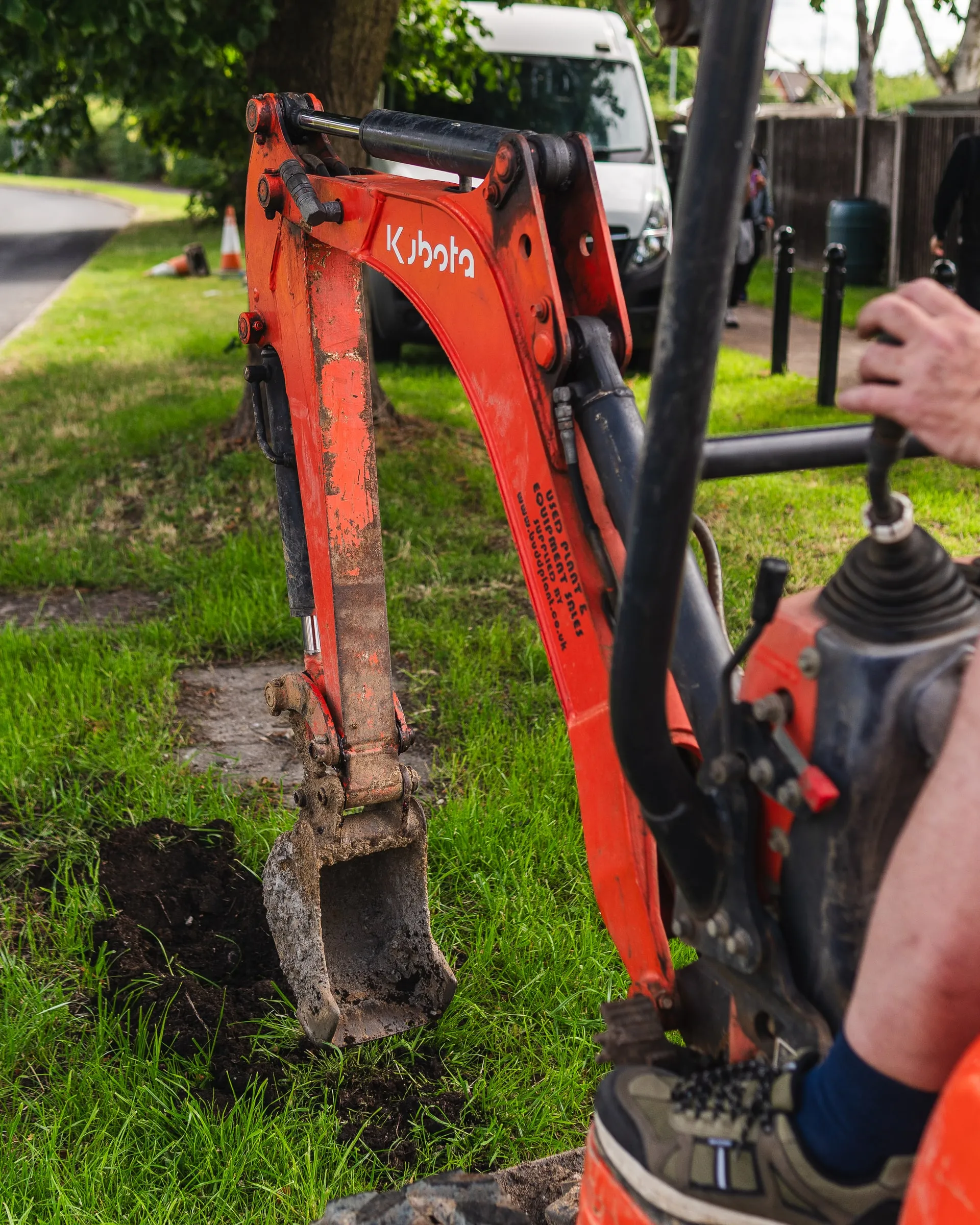
Pipework leaks, underfloor heating pipe included, can be quoted and repaired, often on the same visit, then pressure tested. Roof, window and tiling faults are located and reported for the builder or the right trade.
How to prepare for a new build leak survey
Most delays on the day come down to access. Sort these before the visit and the survey can start as soon as the equipment is out of the van.
- Someone who knows the house or plot. Where the meter, stopcock, boiler, cylinder and underfloor heating manifold are, which rooms are affected and since when.
- Access to every relevant area. The loft, airing cupboard, manifold cupboard, garage and garden, and on a development, the boundary box and any neighbouring plot on the same supply.
- Drawings if you have them. Underfloor heating layouts and plumbing drawings help, even though pipes do not always follow them. Housebuilders can usually get them from the installer.
- Site rules on a live development. Inductions, PPE and where plant is moving, so the engineer can get the equipment to the plot safely.
- Parking within about 100 metres of the house. The equipment is heavy. Parking or toll charges are passed on at cost.
- Anything the builder, warranty provider or insurer has asked for. If a defect is reported or a claim is open, say so, and the report will be written to answer it.

Your new build leak detection report
A written report, with photographs, that says where the leak is, how it was found and what to do about it.
Send it to the builder, the warranty provider or your insurer as it stands. Insurers call this work trace and access. If one of them needs something extra, tell the office and it will be added. Where ADI has carried out the repair, the report records the pressure retest as well.
Repairs and what they cost
Pipework leaks, supply pipes and underfloor heating pipe included, are quoted for repair, often done on the same visit, and pressure tested afterwards. Roofs, windows, tiling and shower trays are located and reported for the builder or the right trade. Repairs are always a separate, quoted item: the survey price covers finding the leak, and making access to it is part of the repair.
Every job is quoted on the phone from the postcode, the house and the symptoms. ADI’s domestic "no find, no fee" terms can apply to a single pipework leak for homeowners on qualifying jobs; they exclude central heating systems, structural leaks, drainage and all commercial work, which includes housebuilders.
Call 0333 567 2625Questions about the visit
My house is still under the builder’s warranty. Should I call the builder first?
Tell the builder in writing as soon as you find a leak: most new home warranties expect it, and many make the builder responsible for defects in the first two years. You can still bring ADI in, because the builder asks for it or because you want the leak found and recorded independently. The report gives the builder, the warranty provider or your insurer the location and the evidence. Check your own warranty document for how to report a problem.
Do you repair what you find?
Pipework leaks, including supply pipes and underfloor heating pipe, can be quoted and repaired, often on the same visit, and pressure tested afterwards. Roof, window, tiling and shower tray faults are located and reported for the builder or the right trade. Repairs are charged separately from the survey and are quoted before any work starts.
Do you work for housebuilders before handover?
Yes. Engineers attend plots under construction and newly completed homes, hold CSCS cards for site work, and supply a risk assessment and method statement for commercial jobs. A typical call is an underfloor heating loop that fails its pressure test after the screed has gone down. Tell the office the plot, the stage of the build and who the site contact is.
Call ADI about a leak in a new build
Describe what you have noticed, how old the house is and the postcode. The office team will talk through the survey, give you a quote and current availability, and book the engineer.
- Monday to Friday, 7:30am to 6:30pm
- Calls reach ADI Leak Detection's office in High Wycombe. Engineers cover England, Scotland and Wales.