Underfloor heating beneath screed
Provide the manifold layout and failed circuit test. Agree access beneath finished flooring separately.
ADI investigates hidden leaks in completed homes and building plots across Greater London. Give the postcode, plot number and build stage, with pressure-test records or photographs of the symptoms, so access can be planned before finished surfaces are opened.

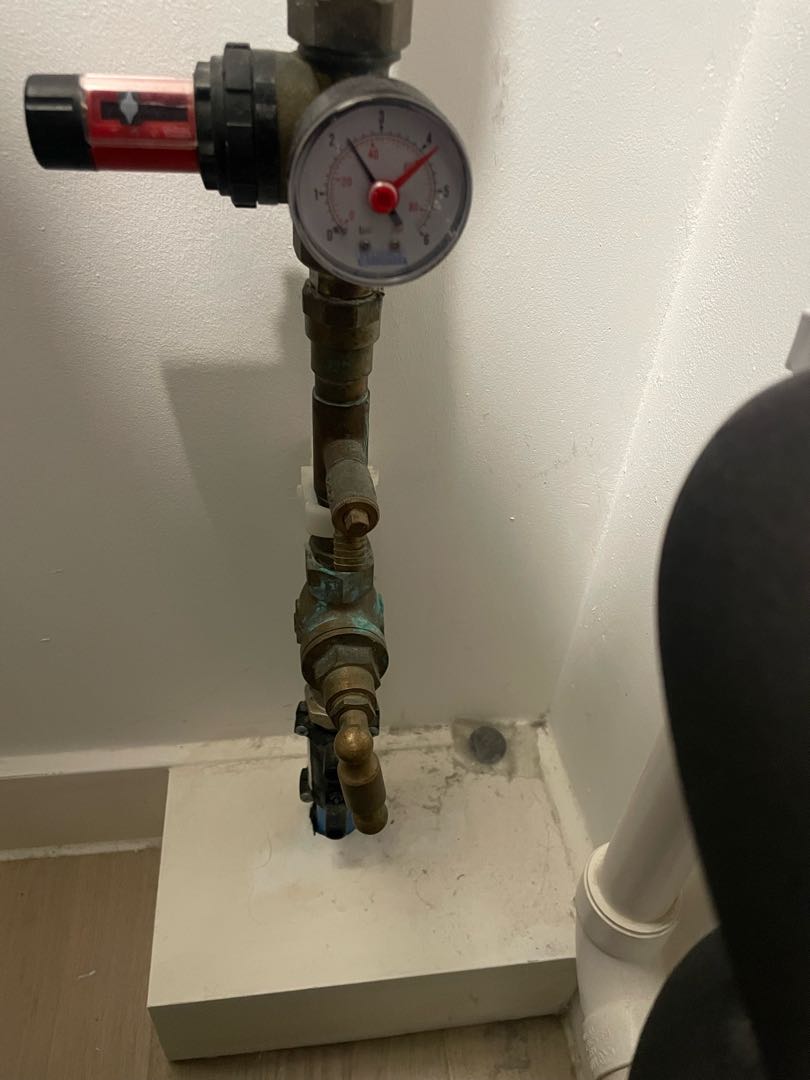
The booking described a new-build home where unexpected water bills had raised concern about a leak. During the visit, ADI observed no meter movement or audible leak evidence at the internal stopcock. The supply being tested held pressure.
A call with the water supplier during the survey clarified a misunderstanding of the bills. The report recommended no further work. No repair was needed or carried out in this record; the finding applies to the tested supply, rather than guaranteeing that every part of the property is leak-free.
Start with what you have noticed. The survey tests the possible sources before deciding where access is needed.
Provide the manifold layout and failed circuit test. Agree access beneath finished flooring separately.
Identify the plot’s meter and shared connections before testing a supply beneath new paving.
Share installation drawings and pressure records to separate heating faults from hot or cold supply leaks.
Note whether staining follows use or rain. Roofing, windows and finishes require the appropriate repair trade.
Pressure tests, surface readings, acoustics and tracer gas can help narrow the search. Available isolation, system readiness and access determine what can be tested. Any opening or pipe repair is agreed separately.
An isolated section either holds pressure or it does not. On the visit recorded above the supply being tested held, which is a result in itself.
Listens for water escaping from a pressurised pipe beneath a new floor or paving. Nothing audible was found at the internal stopcock here.
Shows surface temperature patterns, which can trace a heating circuit under screed without lifting a finished floor.
Introduced into suitable isolated pipework and detected where it surfaces, which suits a supply buried beneath new paving or a drive.
Readings across a floor or wall show how far water has spread, which helps separate a leak from a new building still drying out.
An endoscope looks into a duct, riser or ceiling void through a small opening, so boxing and new finishes can stay in place.
Take meter readings over a quiet hour, photograph the damp patch and note any change in heating pressure. Ask your water supplier what its own records show before assuming a pipe has failed; in the London visit above, that call explained the bills. Report the problem to your developer in writing and check the warranty terms before authorising work.
Read the new-home warranty guideA large London development may put several plots on one supply, with a building manager holding access to risers and plant areas. Name the site contact who can authorise entry, say which test has failed, and confirm what induction or permit paperwork the engineer needs on arrival. ADI attends occupied homes and live sites.
Prepare for the engineer’s visit
New Build Leak Detection, a specialist service from ADI Leak Detection. ADI started in 2011 and has more than twenty-five leak investigation engineers across England, Scotland and Wales, working in finished homes and on building sites.
Selected excerpts from five-star reviews of ADI’s wider service across the UK.


Read the full review“Keeping us informed every step of the way,very friendly and overall did a good job .”
Read the full review“Kristof was the most knowledgeable plumber, he found the leak the others couldn't within minutes, he repaired it causing no damage”
This page follows the ceremonial county of Greater London: the 32 London boroughs, including Westminster, but excluding the separate City of London. The places listed are examples within Greater London, not a complete list or a record of past jobs. Call with the full postcode to discuss the property and current availability.
Yes. ADI works on individual plots, completed apartments and large residential schemes. Tell the office whether the supply and heating are connected, which test has failed and what access or building management arrangements apply. Commercial jobs have a risk assessment and method statement, and engineers hold CSCS cards for site work.
Start with the meter and your supplier. On the London visit recorded above, the meter showed no movement, nothing audible was found at the internal stopcock and the supply held pressure; a call to the water company during the survey explained the bills. Have the readings, the bills and any earlier test records ready before booking, as a survey establishes what the tested supply is doing and your supplier deals with the account.
Call 0333 567 2625 with the full postcode and borough, the build stage, and whether water and heating are connected. Say who controls access, such as a site team or building manager, and mention any paperwork the engineer must complete on arrival. Office hours are Monday to Friday, 7:30am to 6:30pm; the quote and availability are confirmed on that call, and no attendance time is promised on this page.
Give the office the postcode, the plot or flat number and the build stage, and say who controls access to the property. The team will talk through the survey, the price and when an engineer is free.
